How Trading Works and How to Start Trading Successfully in 2026
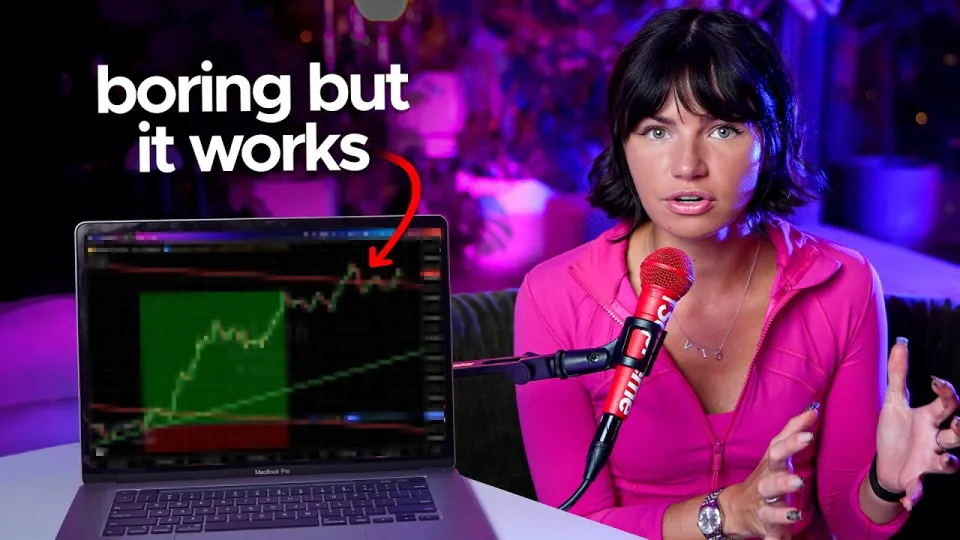
Video: Unfortunately, trading really is this simple
You can order the same kind of articles for your own video to boost it on YouTube and Google. Just message the Telegram bot @sat_sit_bot. Articles with your video embedded are written and posted by the bot itself — on popular topical sites (no ads). Try it free: 50 articles on us.
· based on the channel Tori Trades
Trading is a straightforward activity when approached with the right mindset and strategy. You don't need a finance degree or complicated algorithms to be successful; instead, you rely on simple, reliable methods like trendline analysis and disciplined execution. To start trading confidently in 2026, understanding the basics and practicing consistently are essential, and you can join the waitlist at Tori Trades for guidance and resources.
Understanding the Basics of Trading
Trading involves buying and selling financial instruments such as futures, forex, or stocks to profit from price movements. The fundamental concept is to identify trends and enter trades in the direction of these trends while managing risk effectively. Contrary to popular belief, successful trading does not require complex math or economics degrees; instead, it focuses on clear, actionable steps:
- Identify a trend using price action and trendlines.
- Determine entry points where the price touches or bounces from trendlines.
- Set stop losses to limit risk.
- Exit the trade when the trend shows signs of reversal or your target is hit.
This simple framework forms the backbone of many profitable trading strategies.
The Role of Trendlines in Trading
Trendlines are straight lines drawn on charts connecting significant highs or lows. They help traders visualize the direction and strength of a trend. In futures and forex markets, trendlines act as dynamic support and resistance levels. Trading based on trendlines means:
- Entering trades near the trendline when price bounces off it.
- Using the trendline as a guide for placing stop-loss orders just beyond it to protect capital.
- Recognizing the "bend at the end" of the trendline as a potential exit or reversal signal.
Mastering trendline trading is a simple yet powerful approach that Tori Trades emphasizes for effective day and swing trading.
Step-by-Step Trade Setup and Execution
A practical trading system involves clear steps from identifying a setup to exiting the trade. For example, when trading futures:
- Use TradingView or similar charting software to draw trendlines on a chosen timeframe.
- Wait for the price to approach and test the trendline.
- Confirm the bounce with candlestick patterns or volume.
- Enter the trade in the direction of the trend.
- Place a stop-loss just beyond the trendline to minimize risk.
- Manage the trade actively, adjusting stops or taking partial profits as the trend progresses.
- Exit the trade when signs of trend exhaustion or reversal appear.
This process can be tested and refined using TradingView and trade tracking tools like TradeZella, which Tori Trades recommends for maintaining discipline and reviewing performance.
Managing Risk in Trading
Risk management is crucial to long-term trading success. Key principles include:
- Never risking more than a small percentage of your trading capital on a single trade.
- Placing stop-loss orders strategically to cut losses quickly.
- Being prepared for high volatility, especially in markets like gold or futures where price swings can be sudden and large.
- Continuously monitoring trades to exit quickly when the market moves against you.
For example, a trader might exit a gold futures position within seconds to prevent large losses during rapid price moves, illustrating the need for attentiveness and quick reaction.
Common Questions and Practical Concerns in Trading
Many traders wonder about stop-loss placement, how to handle volatile markets, and differences between futures and stock trading. Addressing these concerns:
- Stops should be set just beyond the trendline bounce point, but exact distance depends on instrument volatility.
- Volatility can cause sharp moves; active trade management is necessary to avoid large losses.
- Futures trading often allows more leverage and can be more volatile than stocks, requiring more precise risk control.
Understanding these nuances helps traders adapt their strategies to different market conditions.
Useful Links and Resources
- Join the waitlist for courses and resources: https://go.toritradez.com/waitlist-1009
- Track trades efficiently with TradeZella: https://www.tradezella.com/?via=victoria (use code TORI20 for discount)
- Broker used by Tori Trades: https://www.tradestation.com/promo/toritrades/
Conclusion
Trading is simpler than most people assume when using clear, disciplined methods like trendline analysis and effective risk management. The system presented by Tori Trades breaks down trading into manageable steps anyone can follow and practice. Consistent application and active trade management are key to success in futures and forex markets. For those ready to start or improve their trading, joining the Tori Trades waitlist at https://go.toritradez.com/waitlist-1009 is a great step forward.
Key takeaways
- Trading does not require advanced math or economics degrees.
- Trendlines and simple setups are core to effective futures trading.
- Risk management and quick decision-making are critical for success.
- Trading futures and forex requires discipline and real-time market reading.
- Practical step-by-step systems can be tested on TradingView.
Questions & answers
Do I need advanced math or an economics degree to be successful at trading?
No, successful trading does not require advanced math or an economics degree. The key is understanding simple concepts like trendlines, price action, and risk management, which can be learned and practiced by anyone.
Where should I place stop-loss orders when trading with trendlines?
Stop-loss orders should be placed just beyond the trendline where the price is expected to bounce. The exact distance depends on the volatility of the asset, but the stop should be tight enough to limit losses if the trendline is broken.
How do I handle sudden volatility in markets like gold futures?
Sudden volatility can cause rapid and large price moves. It's important to actively manage trades, have tight stop-losses, and be prepared to exit quickly to prevent significant losses. Real-time monitoring and experience help in handling such situations.
What is the difference between trading futures and stocks?
Futures trading often involves higher leverage and can be more volatile compared to stocks. This requires more precise risk management and quick decision-making. Stock trading might be influenced more by algorithms and market makers, which can affect trade outcomes differently.
Source: Unfortunately, trading really is this simple · Markdown version